

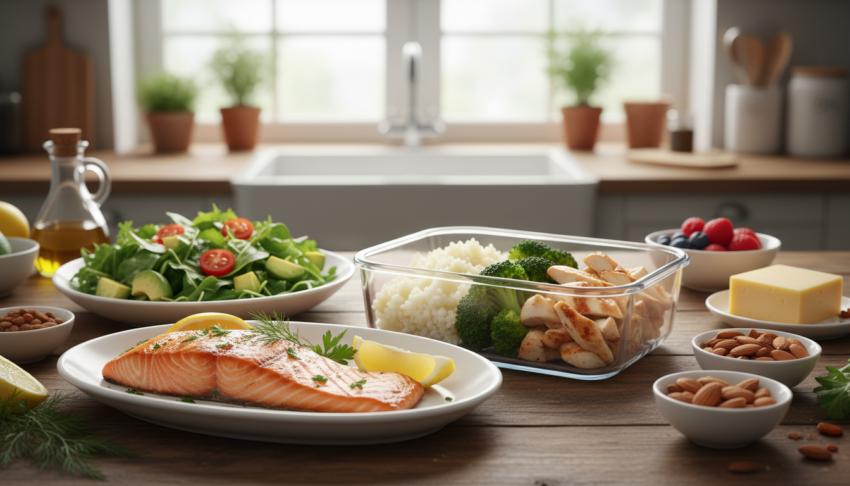
Embarking on a nutritional journey can feel both exciting and truly life-changing at the same time. With the right guidance, you can easily reach a metabolic state where your body burns fat for energy. Our goal is to help you enjoy the many rewards of this low-carb lifestyle.
We provide a clear keto diet plan tailored to help you succeed from your very first day. This proven approach makes your transition smooth and highly sustainable for your busy American life. You will find that sticking to your health goals becomes much easier with a solid map to follow.
Following a structured ketogenic meal plan ensures you get the nutrients you need while losing weight effectively. We cover everything from initial steps to maintaining your hard-earned progress over the long term. Let’s start this path toward better wellness and vibrant energy together today.
Key Takeaways
- Understand how to reach a state of ketosis safely.
- Simplify your daily nutrition choices with ease.
- Transition into a new healthy lifestyle smoothly.
- Maintain long-term health and high energy levels.
- Access a comprehensive guide for sustainable success.
- Ensure all your specific nutritional needs are met.
Understanding the Keto Diet: A Quick Overview
The ketogenic diet is more than just a diet; it’s a metabolic state that offers numerous health benefits. By significantly reducing carbohydrate intake and increasing fat consumption, the body is induced into a state of ketosis, where it burns fat for energy instead of carbs.
What is the Keto Diet?
The keto diet is a low-carb, high-fat diet designed to put the body into a state of ketosis. This metabolic state is achieved when the body’s carbohydrate stores are low, and it begins to break down fat for energy, producing ketones in the process.
Ketosis is a natural metabolic state, not a pathological one, as might be inferred from the term “ketoacidosis,” which is a dangerous condition associated with uncontrolled diabetes.
How Does Ketosis Work?
When you drastically reduce your carbohydrate intake, your body initially uses stored glucose for energy. Once these stores are depleted, it begins to break down fat into molecules called ketone bodies, which can be used as an alternative energy source.
This process is facilitated by the liver, which converts fat into ketones. The brain, heart, and other organs can then use these ketones for energy, reducing the body’s reliance on glucose.
Benefits of Going Keto
Adopting a keto diet can have numerous health benefits, including weight loss, improved blood sugar control, and increased energy levels. The diet has also been shown to have therapeutic effects on certain medical conditions, such as epilepsy and type 2 diabetes.
- Weight Loss: By burning fat for fuel, the body can achieve significant weight loss.
- Improved Blood Sugar Control: The reduction in carbohydrate intake helps regulate blood sugar levels.
- Increased Energy: The high-fat diet can provide a sustained energy source.
Getting Started: Essential Keto Diet Plan Components
tag and is in American English.
Creating Your Personalized Keto Diet Plan
To reap the benefits of a keto lifestyle, it’s essential to create a diet plan that suits your individual needs. A personalized keto diet plan helps ensure you’re on the right track to achieving ketosis and enjoying the benefits of the keto lifestyle.
Creating a tailored plan involves understanding your nutritional requirements and making informed food choices. This process begins with calculating your macronutrient needs.
Calculating Your Macros
Calculating your macros is a critical step in creating a keto diet plan. It involves determining your daily intake of fats, proteins, and carbohydrates. A standard keto diet typically consists of:
- 70-80% of daily calories from fat
- 15-20% from protein
- 5-10% from carbohydrates
To calculate your macros, you can use an online keto macro calculator or consult with a healthcare professional or a registered dietitian who is familiar with ketogenic diets.
For example, if your daily caloric intake is 2,000 calories, your keto macros might look like this:
- 165g of fat (70-80% of 2,000 calories)
- 75g of protein (15-20% of 2,000 calories)
- 25g of carbohydrates (5-10% of 2,000 calories)
Sample Meal Plan
A sample meal plan can serve as a guide to help you make the right food choices. Here’s an example of what a day on a keto diet might look like:
Lunch: Grilled salmon with a side of cauliflower rice and olive oil
Dinner: Beef stir-fry with vegetables like broccoli and bell peppers, cooked in coconut oil
Snacks: Handful of almonds, celery sticks with almond butter
By following a well-structured keto meal plan and calculating your macros accurately, you can ensure a smooth transition into ketosis and maximize the benefits of your keto diet.
Best Ingredients for Your Keto Kitchen
The key to a successful keto diet lies in the ingredients you choose to stock your kitchen with. Having the right foods on hand makes it easier to stick to your dietary plan and ensures you’re getting the nutrients your body needs.
As you start or continue your keto journey, it’s essential to focus on incorporating high-quality ingredients that fit within your dietary requirements. This includes a variety of healthy fats and low-carb vegetables that not only make your meals delicious but also support your overall health.
Healthy Fats to Include
Healthy fats are a cornerstone of the keto diet, providing the energy your body needs while keeping you in a state of ketosis. Some of the best sources of healthy fats include:
- Avocados: Rich in monounsaturated fats, avocados are not only delicious but also packed with fiber and various essential vitamins and minerals.
- Olive Oil: A staple in many kitchens, olive oil is a great source of healthy fats and can be used in a variety of dishes, from salad dressings to sautéed vegetables.
- Fatty Fish: Fatty fish like salmon and sardines are not only rich in healthy fats but also provide a good source of protein and omega-3 fatty acids.
- Nuts and Seeds: Many nuts and seeds are keto-friendly, including almonds, walnuts, chia seeds, and flax seeds, which can be enjoyed as snacks or added to meals for extra nutrition.
As Dr. Eric Berg once said, “The key to a successful keto diet is to focus on whole, nutrient-dense foods.” Incorporating these healthy fats into your diet is a step in the right direction.

Low-Carb Vegetables
Low-carb vegetables are another crucial component of a keto diet, providing essential vitamins, minerals, and fiber while keeping your carbohydrate intake in check. Some of the best low-carb vegetables to include in your keto kitchen are:
- Leafy Greens: Spinach, kale, and lettuce are all low in carbs and rich in nutrients, making them perfect for salads, smoothies, and sautéed dishes.
- Broccoli and Cauliflower: These versatile vegetables can be used in a variety of keto recipes, from soups to casseroles.
- Asparagus and Green Beans: Low in carbs and rich in fiber, these vegetables are great additions to a keto meal plan.
By focusing on these healthy fats and low-carb vegetables, you’ll be well on your way to creating delicious and nutritious keto meals that support your dietary goals.
Delicious Keto-Friendly Recipes
Discover the flavors of the keto lifestyle with our curated selection of delicious keto-friendly recipes. The keto diet is not just about cutting carbs; it’s about enjoying a variety of dishes that are both nutritious and flavorful.
One of the best things about the keto diet is the diversity of meals you can enjoy. From hearty breakfasts to satisfying dinners, and from savory snacks to sweet treats, the options are endless. Let’s dive into some mouth-watering ideas to spice up your keto meal plan.
Breakfast Ideas
Starting your day with a keto-friendly breakfast sets the tone for a successful day. Here are some delicious ideas:
- Scrambled Eggs with Spinach: A classic keto breakfast that’s both simple and satisfying.
- Keto Cinnamon Rolls: A sweet treat that fits within your keto diet, made with almond flour and sweetened with a sugar substitute.
- Avocado and Bacon Omelette: A filling breakfast packed with healthy fats.
Lunch and Dinner Options
For lunch and dinner, the keto diet offers a wide range of possibilities. Here are a few ideas to get you started:
- Grilled Salmon with Cauliflower Rice: A keto-friendly twist on a classic dish, replacing traditional rice with cauliflower rice.
- Keto Lasagna: Layers of meat, cheese, and vegetables make for a satisfying keto dinner.
- Zucchini Boats with Meatballs: A creative and delicious way to enjoy a keto meal.
Snack Suggestions
Snacking on keto can be easy and delicious with these ideas:
- Cheese and Nuts: A simple, satisfying snack that’s rich in healthy fats.
- Keto Fat Bombs: Bite-sized treats that are perfect for curbing cravings.
- Cucumber Slices with Cream Cheese: A refreshing and keto-friendly snack.
These keto-friendly recipes and meal ideas are just the beginning. Feel free to experiment with different ingredients and flavors to keep your keto diet interesting and enjoyable.
Staying on Track: Tips for Success
Achieving success on the keto diet requires more than just understanding the basics; it demands a strategic approach to staying on track. To maintain your dietary regimen and achieve your health goals, it’s essential to implement effective strategies that promote long-term adherence.
One of the most effective ways to stay on track is by being mindful of your daily food intake. This is where keeping a food diary comes into play. By recording your meals and snacks, you can monitor your macronutrient intake and ensure you’re staying within your daily carb limit.
Keeping a Food Diary
Keeping a food diary can be a game-changer for your keto diet. It helps you track your progress, identify patterns, and make informed decisions about your diet. To get the most out of your food diary, be sure to record:
- The types of food you eat
- Portion sizes
- Your daily macronutrient intake
- Any symptoms or side effects you experience
By doing so, you’ll be able to pinpoint areas for improvement and make adjustments to optimize your keto diet.
Meal Prep Strategies
Meal prep is another crucial aspect of staying on track with your keto diet. By preparing your meals in advance, you can save time, reduce stress, and ensure you’re always prepared with healthy keto options. Here are some effective meal prep strategies to try:
- Cook in bulk: Cooking large batches of food can save you time and ensure you have healthy meals ready for the week.
- Plan your meals: Take some time to plan out your meals for the week, considering your dietary needs and preferences.
- Portion control: Divide your cooked meals into individual portions to make mealtime easier and more convenient.
By incorporating these strategies into your keto lifestyle, you’ll be better equipped to stay on track and achieve your health goals.
Overcoming Common Keto Challenges
Embarking on a keto journey often comes with its set of challenges, but with the right strategies, you can succeed. As you start your keto diet, it’s essential to be aware of the potential hurdles and know how to overcome them.
Dealing with the Keto Flu
The keto flu is a temporary condition that some people experience when they first start a keto diet. It’s characterized by symptoms such as fatigue, headache, and nausea. Staying hydrated and increasing your salt intake can help alleviate these symptoms. It’s also crucial to listen to your body and adjust your diet accordingly.
To manage the keto flu, consider the following tips:
- Drink plenty of water
- Increase your salt intake
- Get enough rest
- Gradually reduce your carb intake

Managing Cravings
Managing cravings is another significant challenge when starting a keto journey. Finding keto-friendly alternatives to your favorite high-carb foods can make a big difference. For instance, if you’re craving something sweet, you could try having a keto-friendly dessert made with almond flour and sweetened with stevia.
Here are some strategies to help you manage cravings:
- Stay hydrated to avoid mistaking thirst for hunger
- Plan your meals in advance to avoid last-minute high-carb choices
- Find healthy keto alternatives to your favorite foods
By understanding these challenges and implementing the right strategies, you can make your keto journey smoother and more successful.
Keto Diet Variations: Find What Works for You
The keto diet has various approaches, allowing individuals to choose the method that best suits their lifestyle and dietary needs. While the standard keto diet is a popular choice, other variations offer flexibility and cater to different goals and preferences.
Standard Keto vs. Targeted Keto
The standard keto diet is the most commonly followed version, focusing on maintaining a consistent state of ketosis through a balanced intake of fats, proteins, and low-carb vegetables. On the other hand, the targeted keto diet involves consuming additional carbohydrates around workout periods to enhance performance.
- Standard Keto: Ideal for those seeking weight loss and overall health improvement.
- Targeted Keto: Suitable for athletes or individuals with high energy demands.
Vegetarian or Vegan Keto Options
For those following a vegetarian or vegan lifestyle, adapting to a keto diet requires careful planning. It’s essential to focus on plant-based fats and proteins while keeping carbohydrate intake low.
- Include high-fat foods like avocados, nuts, and seeds.
- Choose low-carb vegetables such as leafy greens and broccoli.
- Consider plant-based protein sources like tofu and tempeh.
By understanding the different keto diet variations, you can make an informed decision about which approach is best for you. Whether you opt for the standard keto, targeted keto, or a vegetarian/vegan keto diet, the key is to find a sustainable and enjoyable method that aligns with your health goals.
Keto and Exercise: How to Stay Active
To maximize the benefits of a keto diet, incorporating a well-structured exercise routine is essential. Exercise not only enhances weight loss but also improves overall health and fitness. When combined with a keto diet, regular physical activity can lead to significant improvements in body composition and metabolic health.
A well-rounded exercise routine includes a mix of cardio, strength training, and flexibility exercises. This combination helps in achieving optimal fitness and supports the body’s adaptation to using fat as a primary fuel source.
Best Workouts for Keto
The best workouts for individuals on a keto diet are those that promote fat loss, maintain or build muscle mass, and improve cardiovascular health. Some effective options include:
- High-Intensity Interval Training (HIIT): This involves short bursts of intense exercise followed by brief periods of rest. HIIT is excellent for improving cardiovascular fitness and burning fat.
- Strength Training: Lifting weights or doing bodyweight exercises helps build and maintain muscle mass, which is crucial for overall health and metabolism.
- Yoga and Pilates: These exercises improve flexibility, balance, and core strength, contributing to overall fitness and well-being.
- Low-Intensity Cardio: Activities like walking, cycling, or swimming are great for cardiovascular health without being too strenuous.
Timing Your Workouts with Your Diet
Timing your workouts in relation to your keto diet can impact your performance and recovery. It’s essential to listen to your body and adjust your exercise schedule accordingly.
Some individuals prefer to exercise while in a fasted state, which can enhance fat burning. Others may find that consuming a small, keto-friendly snack or meal before or after their workout helps with energy and recovery.
- Fasted State Workouts: Exercising on an empty stomach can increase fat oxidation and improve mental clarity.
- Pre-Workout Snacks: A small snack with healthy fats and protein can provide energy and support muscle function during exercise.
- Post-Workout Nutrition: Consuming a meal or supplement with protein and healthy fats after exercise can aid in recovery and muscle repair.
Ultimately, the best approach to exercise on a keto diet is one that is sustainable, enjoyable, and tailored to your individual needs and preferences.
Long-Term Sustainability of the Keto Diet
Maintaining a keto lifestyle long-term requires careful planning and commitment. As you achieve your weight loss goals on keto, it’s essential to consider how to sustain your progress.
Making the Transition to a Maintenance Plan
Transitioning to a maintenance plan involves adjusting your diet to maintain your weight loss and overall health improvements. This may mean slightly increasing your carbohydrate intake or adjusting your macronutrient ratios to find a balance that works for you in the long term, supporting your continued weight loss on keto.
Monitoring Your Progress and Health
Regularly monitoring your health and results is crucial for making necessary adjustments and ensuring the keto diet remains beneficial for you. This includes tracking your weight, measuring body fat percentage, and monitoring any changes in your overall health, all of which are key to a successful long-term keto diet.