

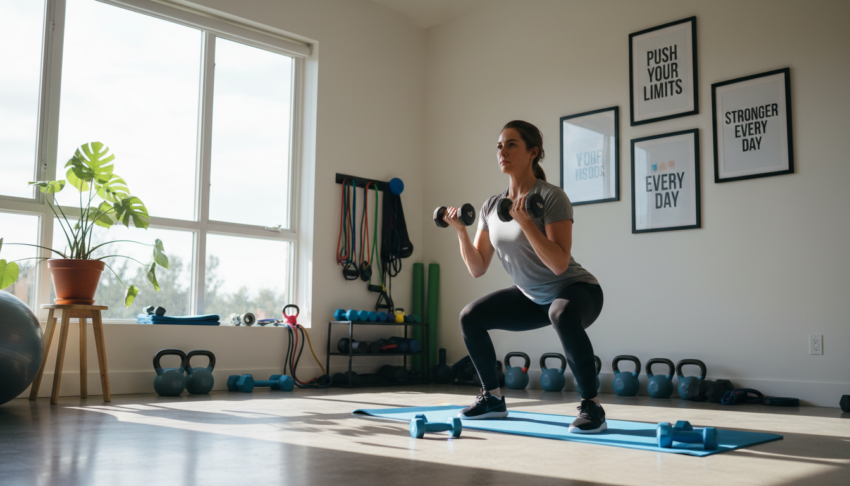
Finding time for the gym often feels like a difficult task during a busy week. Imagine reaching your personal goals without ever leaving your comfortable living room. Setting up a solid fitness plan helps you stay consistent and highly motivated.
Building an effective home workout routine is much simpler than most people think. You do not need fancy gear or expensive memberships to see amazing physical results. Just a small space and a bit of daily dedication will transform your health.
Regular exercise improves your mood and boosts energy levels for the whole day. It is the best way to prioritize wellness while keeping your schedule simple. This guide will help you start a great home workout routine today.
Key Takeaways
- Exercise comfortably without a long commute to a local gym.
- Discover how minimal equipment delivers significant physical changes.
- Improve your mental clarity with simple daily movements.
- Save money by avoiding high monthly membership fees.
- Build a flexible schedule that fits your unique lifestyle.
- Boost your metabolism using easy bodyweight exercises.
Why Choose a Home Workout Routine?
Choosing a home workout routine offers numerous benefits that can enhance your overall fitness journey. With the flexibility to create your own schedule and the comfort of exercising at home, it’s no wonder that many are turning to at-home exercise plans.
Benefits of Working Out at Home
Working out at home provides a comfortable and non-intimidating environment where you can focus on your fitness goals without feeling self-conscious. It allows you to personalize your workout space to suit your preferences, whether that means setting up a dedicated gym area or simply using a yoga mat in your living room.
Moreover, exercising at home eliminates the need to commute to a gym, saving you time and energy. This convenience can be particularly beneficial for those with busy schedules or family commitments.
Cost-Effectiveness: Save on Gym Fees
One of the most significant advantages of a home workout routine is its cost-effectiveness. By avoiding gym membership fees, you can save a substantial amount of money each month. You can still achieve a great workout using bodyweight exercises or investing in a few essential pieces of equipment.
For example, you can start with basic exercises like push-ups, squats, and lunges, which require no equipment at all. As you progress, you can incorporate affordable equipment like resistance bands or dumbbells into your fitness regimen at home.
Flexibility and Convenience
A home workout schedule offers the flexibility to exercise at any time that suits you. Whether you’re an early riser or prefer working out in the evening, you can tailor your routine to fit your lifestyle.
This flexibility is particularly beneficial for those with non-traditional work schedules or family responsibilities. You can also adjust your workout intensity and duration based on how you’re feeling on a particular day, allowing for a more personalized approach to your fitness journey.
- Work out in the comfort of your own home
- Save time by avoiding gym commutes
- Customize your workout space to your liking
Essential Equipment for Your Home Workout
Starting a home workout routine requires some essential equipment, but it doesn’t have to be expensive. The key is to focus on versatility and practicality, ensuring that your home gym workout plan is effective and engaging.
For those just beginning their fitness journey, investing in a few crucial pieces of equipment can make a significant difference. These items can help you perform a variety of exercises, including some effective bodyweight exercises at home.
Must-Have Gear for Beginners
As a beginner, you’ll want to start with equipment that is easy to use and doesn’t require a lot of space. Some of the must-have gear includes:
- A good quality yoga mat for comfort and grip during floor exercises
- Resistance bands for strength training
- A set of dumbbells for weight training
- A stability ball for core exercises
These pieces of equipment are not only affordable but also versatile, allowing you to perform a wide range of exercises as part of your home gym workout plan.
Optional Add-ons for Advanced Fitness
Once you’ve mastered the basics and are looking to advance your fitness level, you may consider adding more specialized equipment to your home gym. Some options include:
- A treadmill or stationary bike for cardio workouts
- A pull-up bar for upper body strength training
- A kettlebell for dynamic strength exercises
These add-ons can help keep your workouts interesting and challenging, ensuring you continue to make progress in your fitness journey.
Creative Alternatives for Home Equipment
Not everyone has the space or budget for traditional gym equipment. Fortunately, there are creative alternatives that can be just as effective. For example, you can use:
- Water bottles or cans as dumbbells
- A chair or bench for step-ups and tricep dips
- A towel for resistance training
By getting creative with the equipment you have available, you can still achieve a great workout at home without breaking the bank.
Planning Your Home Workout Routine
To get the most out of your home workouts, it’s essential to plan your routine carefully. A well-structured plan helps you stay on track and achieve your fitness goals more efficiently.
Setting Realistic Goals
Before diving into any workout routine, it’s crucial to set realistic goals. This involves understanding your current fitness level and what you aim to achieve. Whether it’s losing weight, building muscle, or improving overall health, having clear goals in mind will guide your workout decisions.
Start by assessing your current fitness level. Consider factors like your weight, body fat percentage, and overall health. Then, define your short-term and long-term goals. For example, you might aim to complete a certain number of workouts per week or achieve a specific weight loss target within a few months.
Creating a Schedule That Works for You
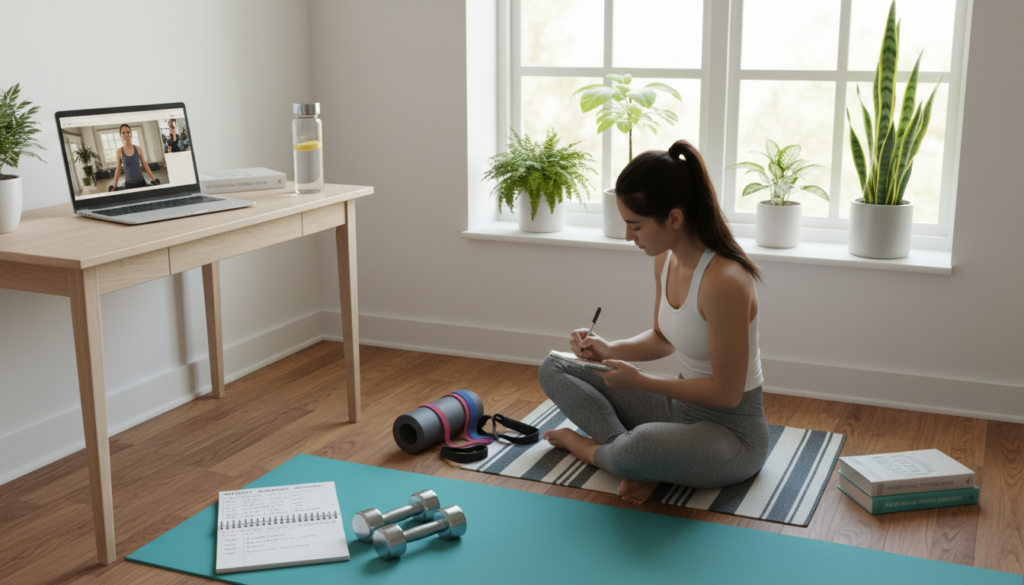
Creating a schedule that fits your lifestyle is vital for sticking to your indoor workout routine. Identify the times of the day when you are most likely to work out without interruptions. Consider your daily routine, including work hours, family commitments, and other responsibilities.
Plan out your workouts for the week, including the type of exercises and the duration. Be flexible with your schedule to accommodate any unexpected changes. It’s also a good idea to mix up your routine to avoid boredom and prevent plateaus.
Balancing Cardio, Strength, and Flexibility
A well-rounded quick home workout ideas should include a mix of cardio, strength training, and flexibility exercises. Cardio exercises, such as jumping jacks or running in place, improve heart health and burn calories. Strength training, like push-ups or squats, helps build muscle and boost metabolism.
Flexibility exercises, including stretching, improve your range of motion and reduce the risk of injury. Aim to balance these elements in your routine. For example, you could dedicate certain days to cardio and others to strength training, with flexibility exercises incorporated throughout.
Warm-Up: The Key to a Successful Workout
A successful workout starts with a proper warm-up, a crucial step often overlooked in home workout routines. Warming up prepares your body for the upcoming exercise, enhancing performance and reducing the risk of injury.
Importance of Warming Up
Warming up is essential for several reasons. It increases blood flow to the muscles, raises your heart rate, and improves flexibility. By doing so, it prepares your cardiovascular system for the upcoming exertion and reduces muscle stiffness.
Moreover, a good warm-up can mentally prepare you for your workout, helping you transition from a state of rest to a state of activity. This mental preparation is just as important as the physical aspects, as it can improve your focus and overall performance during the workout.
Effective Warm-Up Exercises
Effective warm-up exercises should be light and dynamic, gradually increasing in intensity. Here are some examples:
- Light cardio such as jogging in place or jumping jacks
- Dynamic stretching like leg swings, arm circles, and hip rotations
- Bodyweight exercises such as squats, lunges, and push-ups
These exercises help in activating the major muscle groups and getting your heart rate up. For a home workout routine, it’s advisable to spend around 5-10 minutes on warming up.
How Long to Warm Up
The duration of your warm-up can vary depending on the intensity and type of your workout. Generally, a warm-up should last between 5 to 10 minutes. For lighter workouts, a shorter warm-up may suffice, while more intense workouts may require a longer warm-up period.
It’s also important to listen to your body and adjust the warm-up duration accordingly. If you’re just starting out with a new home workout routine, you might need a longer warm-up to prepare your muscles and cardiovascular system.
Full-Body Workout Routine Overview
To get the most out of your at-home exercise plan, it’s crucial to have a comprehensive full-body workout routine. This type of routine ensures that you’re targeting all major muscle groups, improving overall fitness, and enhancing your body’s functionality.
A well-structured full-body workout is designed to work multiple muscle groups simultaneously, making it an efficient and effective way to stay fit at home. Such a routine typically includes a mix of exercises that target the upper body, lower body, and core.
Structure of a Full-Body Workout
The structure of a full-body workout involves selecting a variety of exercises that together work all major muscle groups. This can include squats, lunges, push-ups, rows, and planks, among others. It’s essential to balance the routine to avoid overtraining certain areas while neglecting others.
A typical full-body workout might start with compound exercises like squats and deadlifts, followed by exercises that target specific muscle groups. For example, you might do push-ups and rows to target the upper body, and then finish with core exercises like planks or Russian twists.
Duration and Frequency of Workouts
The duration and frequency of your full-body workouts will depend on your fitness goals and current level of fitness. Generally, a full-body workout can last anywhere from 30 to 60 minutes, including warm-up and cool-down periods.
For most people, doing a full-body workout 2-3 times per week is sufficient. This frequency allows for adequate recovery time between sessions while still making consistent progress towards fitness goals. As you get more comfortable with the routine, you can adjust the duration and frequency based on your progress and how your body feels.
Targeted Exercises for Strength Building
You can achieve significant strength gains without stepping foot in a gym. Incorporating bodyweight exercises at home into your routine can be an effective way to build strength. A well-structured home gym workout plan that includes strength training can help you achieve your fitness goals.
Upper Body Exercises to Try
Upper body strength is crucial for everyday activities and overall fitness. Here are some effective bodyweight exercises you can do at home:
- Push-ups: Works your chest, shoulders, and triceps.
- Tricep dips (using a chair or bench): Targets the triceps.
- Inverted rows (using a towel or resistance band): Works your back and arms.
- Burpees: A full-body exercise that includes an upper body component.
Lower Body Workout Ideas
Lower body strength is essential for mobility and overall health. Try these exercises:
- Squats: Works your legs and glutes.
- Lunges: Targets the legs and glutes.
- Calf raises: Strengthens your calf muscles.
- Glute bridges: Works your glutes and hamstrings.
As fitness expert Jane Smith once said, “Lower body strength is the foundation of overall fitness.”
“The key to a strong lower body is consistency and patience.”
Core Strengthening Moves
A strong core improves posture, balance, and overall athletic performance. Incorporate these exercises into your routine:
- Plank: Strengthens your core and improves posture.
- Russian twists (using a weight or medicine ball): Targets the obliques.
- Leg raises (hanging leg raises or on a flat bench): Works the lower abs.
- Bicycle crunches: Targets the entire core.
Strength training is a vital component of any effective workout routine. By incorporating these exercises into your home gym workout plan, you’ll be on your way to achieving significant strength gains.
Cardio Workouts You Can Do at Home
Getting your heart rate up doesn’t require a gym membership; there are plenty of cardio exercises you can do from the comfort of your own home. Incorporating cardio into your indoor workout routine can be both fun and effective, helping you achieve your fitness goals without the need for expensive equipment or a lot of space.
Cardio exercises are essential for improving heart health, burning calories, and boosting overall fitness. With a variety of options available, you can choose the ones that best fit your lifestyle and preferences.
Fun Ways to Get Your Heart Rate Up
One of the best ways to keep your cardio workouts interesting is to incorporate activities that you enjoy. This could be anything from dancing to following along with a fitness video, or even just putting on your favorite music and jumping around.
“Exercise should be a celebration of what your body can do, not a punishment for what you ate.” This mindset is particularly relevant when it comes to cardio workouts at home, where the atmosphere is more relaxed, and you can be more yourself.
- Dancing to your favorite music
- Jumping jacks
- Running in place
- High knees
- Burpees
HIIT vs. Steady-State Cardio
When it comes to cardio, there are two popular approaches: HIIT (High-Intensity Interval Training) and steady-state cardio. HIIT involves short bursts of intense exercise followed by brief periods of rest. This method is highly effective for improving cardiovascular health and burning calories in a short amount of time.
On the other hand, steady-state cardio involves maintaining a moderate intensity over a longer period. This can be beneficial for endurance and is often less stressful on the body compared to HIIT.
As noted by fitness experts,
“HIIT workouts are not only efficient but also provide a significant boost to your metabolism, helping your body burn more calories at rest.”
Incorporating Dance and Aerobics
Dance and aerobics are fantastic ways to get your heart rate up while having fun. They offer a great alternative to traditional cardio exercises and can be easily done at home with the right music or video guidance.
Some popular options include Zumba, hip hop dance workouts, and aerobic classes available online. These not only provide a great cardio workout but also help improve coordination and flexibility.
To get started with a quick home workout ideas, consider incorporating a mix of these cardio exercises into your routine. Remember, the key to a successful workout is consistency and enjoying the process.
Stretching and Recovery Techniques
Stretching and recovery are crucial components of a well-rounded fitness regimen at home. After a rigorous workout, your muscles need time to heal and rebuild, making recovery just as important as the exercise itself.
Importance of Stretching
Stretching is vital for improving flexibility and preventing injuries. It helps in lengthening the muscles and tendons, thereby enhancing your range of motion. Regular stretching can also reduce muscle soreness and improve overall performance in your home workout routine.
- Enhances flexibility and range of motion
- Reduces muscle soreness
- Improves overall workout performance
Best Post-Workout Stretches
Incorporating the right stretches after your workout can significantly aid in recovery. Here are some effective post-workout stretches to try:
- Hamstring Stretch: Stand with your feet shoulder-width apart, then bend forward to touch your toes.
- Quad Stretch: Stand with one hand against a wall for balance, bend one knee, and grab your ankle with your hand.
- Chest Stretch: Stand in a doorway with your hands on the doorframe at shoulder height, then lean forward.
Recovery Strategies to Avoid Injury
Recovery is a critical aspect of any fitness regimen at home. Here are some strategies to help you recover effectively and avoid injury:
- Adequate Rest: Ensure you’re getting enough sleep to allow your muscles to recover.
- Proper Nutrition: Fuel your body with the right nutrients to support muscle repair.
- Hydration: Drink plenty of water to keep your muscles hydrated and aid in recovery.
Tracking Your Progress
To ensure you’re on the right track with your home workout schedule, it’s vital to track your progress regularly. Monitoring your progress helps you understand what’s working and what areas need improvement in your effective home workout routine.
Tracking progress is not just about measuring success; it’s also about staying motivated. Seeing improvements, no matter how small, can be a significant motivator to continue with your fitness journey.
Tools and Apps for Monitoring Fitness
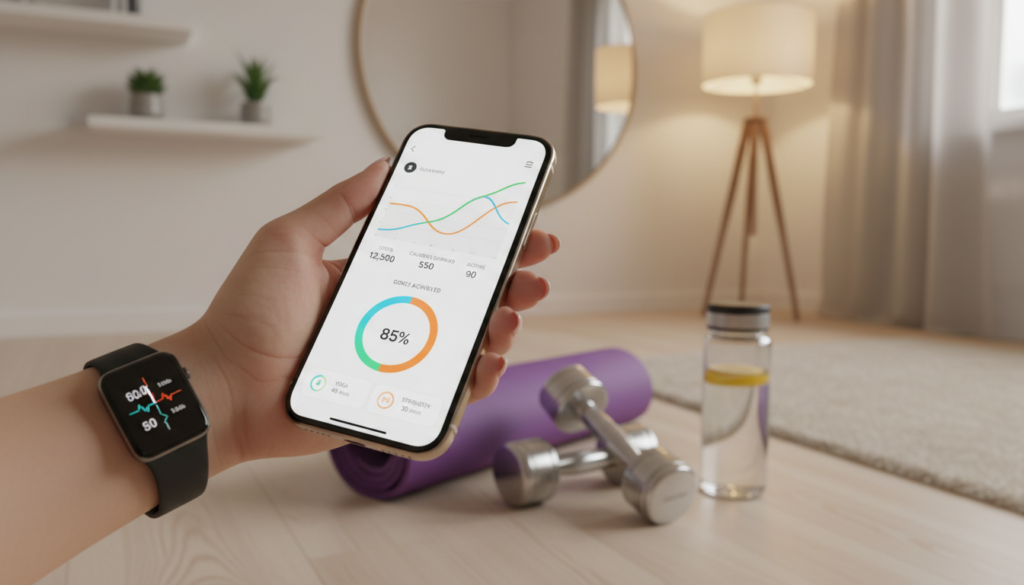
There are numerous tools and apps available that can help you monitor your fitness progress. Some popular options include:
- MyFitnessPal for tracking nutrition and calories burned
- Strava for monitoring workouts and progress over time
- Fitbit for tracking daily activity and sleep
These tools can provide valuable insights into your progress and help you make informed decisions about your workout routine.
Setting Milestones and Celebrating Success
Setting milestones is an effective way to track progress and stay motivated. Break down your long-term goals into smaller, achievable milestones. Celebrate your successes along the way to keep yourself motivated.
For example, if your goal is to complete a certain number of workouts per week, set a milestone for reaching that goal for the first time. Celebrate when you achieve it, and then set a new milestone to continue challenging yourself.
Adjusting Your Routine Based on Progress
As you track your progress, you may find that your current workout routine is not challenging enough or that it’s not yielding the desired results. Be prepared to adjust your routine based on your progress.
If you’re not seeing improvements, consider increasing the intensity of your workouts or changing your routine entirely. Conversely, if you’re finding your workouts too challenging, it may be necessary to scale back and focus on recovery.
Regularly reviewing and adjusting your home workout schedule is crucial to continued progress and avoiding plateaus. By staying flexible and responsive to your progress, you can ensure that your workout routine remains effective and engaging.
Staying Motivated During Home Workouts
Staying motivated during home workouts can be tough, but there are strategies to help. Maintaining motivation is crucial for the success of your at-home exercise plan. One effective way to stay on track is by creating an environment that fosters motivation.
Finding a Workout Buddy or Community
Having a workout buddy or being part of a fitness community can significantly boost your motivation. Even if you’re working out at home, you can connect with others through online fitness groups or apps. This sense of community can provide the accountability and support you need to stick to your home gym workout plan.
Setting Short and Long-Term Goals
Setting achievable goals is vital for maintaining motivation. Break down your long-term fitness goals into smaller, manageable objectives. Celebrate your progress along the way to keep yourself motivated.
Celebrating Small Wins
Celebrating small victories is a powerful motivator. It helps to reinforce positive behaviors and encourages you to continue with your fitness regimen. Whether it’s completing a challenging workout or reaching a new personal best, acknowledging these achievements can make a significant difference in your motivation levels.
By implementing these strategies, you can maintain your motivation and achieve success with your at-home exercise plan.
Closing Thoughts on Your Home Workout Journey
As you embark on your home workout journey, remember that consistency and patience are key. A well-structured home workout routine can be a game-changer for your fitness goals, offering the flexibility and convenience you need to stay on track.
Benefits Recap
By choosing a home workout routine, you’re not only saving on gym fees but also gaining the flexibility to work out at any time. Quick home workout ideas can be incorporated into your daily schedule, making it easier to stick to your fitness goals.
Staying on Track
To achieve long-term success, it’s essential to stay motivated and committed to your routine. Finding a workout buddy or community can make a significant difference, as can setting short and long-term goals.
Long-Term Success Tips
To maintain your progress, be sure to track your workouts and adjust your routine as needed. With a little creativity and dedication, you can achieve your fitness goals from the comfort of your own home.